THE ROMAN WEEK
Days of the planets
The Romans named their days after the seven planets, from dies Solis to dies Saturni, and the planets were named after Roman gods.
Pick a day doodlegods
THE STORY IN THE CALENDAR
Every weekday name is a small piece of history.
Pick a day
7 DAYS7 old names
The Romans named their days after the seven planets they could see, and the planets after their gods. When English speakers took up the week, they kept some names and swapped in gods of their own for the rest.
Updated
THE SHORT ANSWER
Three days kept the Roman idea.
Four were renamed after Germanic gods.
THE ROMAN WEEK
The Romans named their days after the seven planets, from dies Solis to dies Saturni, and the planets were named after Roman gods.
Pick a dayTHE SWAP
Germanic-speaking peoples named four days after their own gods closest in character to the Roman ones: Tiw for Mars, Woden for Mercury, Thunor for Jupiter, Frig for Venus.
See the numbersTHE ORDER
The odd order comes from planets ruling the hours: each day was named after the planet given its first hour, explained by Vettius Valens and Cassius Dio.
Work it outPICK A DAY
Choose a weekday to see its Roman name and its Old English form. The bar shows how far the English name moved away from the Roman one.
Low means English kept the Roman god, middle means it translated the name, high means it swapped in a Germanic god.
TWO NUMBERS WORTH KNOWING
One number for the renamed days,
one for the sum behind the order.
4 of 7
English weekdays named after Germanic gods
Tuesday, Wednesday, Thursday and Friday are named after Tiw, Woden, Thunor and Frig. Saturday, Sunday and Monday follow the Latin names.
RENAMED DAYS
168 hours
Hours in the week, shared among 7 planets
The week was mapped out in 168 hours, with the seven planets given to the hours in turn. The planet ruling a day's first hour gave that day its name.
THE PLANETARY HOURS
The earliest evidence of the Roman seven-day week is a graffito at Pompeii calling 6 February in the year 60 CE dies solis, Sunday.
TRY THE OLD SUM
You can rebuild the planetary order yourself in a few minutes, the way ancient writers explained it.
List them from slowest to fastest, as ancient astronomers did: Saturn, Jupiter, Mars, Sun, Venus, Mercury, Moon.
Start the first hour of the first day with Saturn, then go down the list and back to the top, one planet per hour.
The planet that lands on the first hour of the next day names that day. From Saturn's day you land on the Sun, then the Moon.
Carry on and you get Mars, Mercury, Jupiter and Venus: in English, Tiw, Woden, Thunor and Frig took those four places.
NAMES ON THE MAP
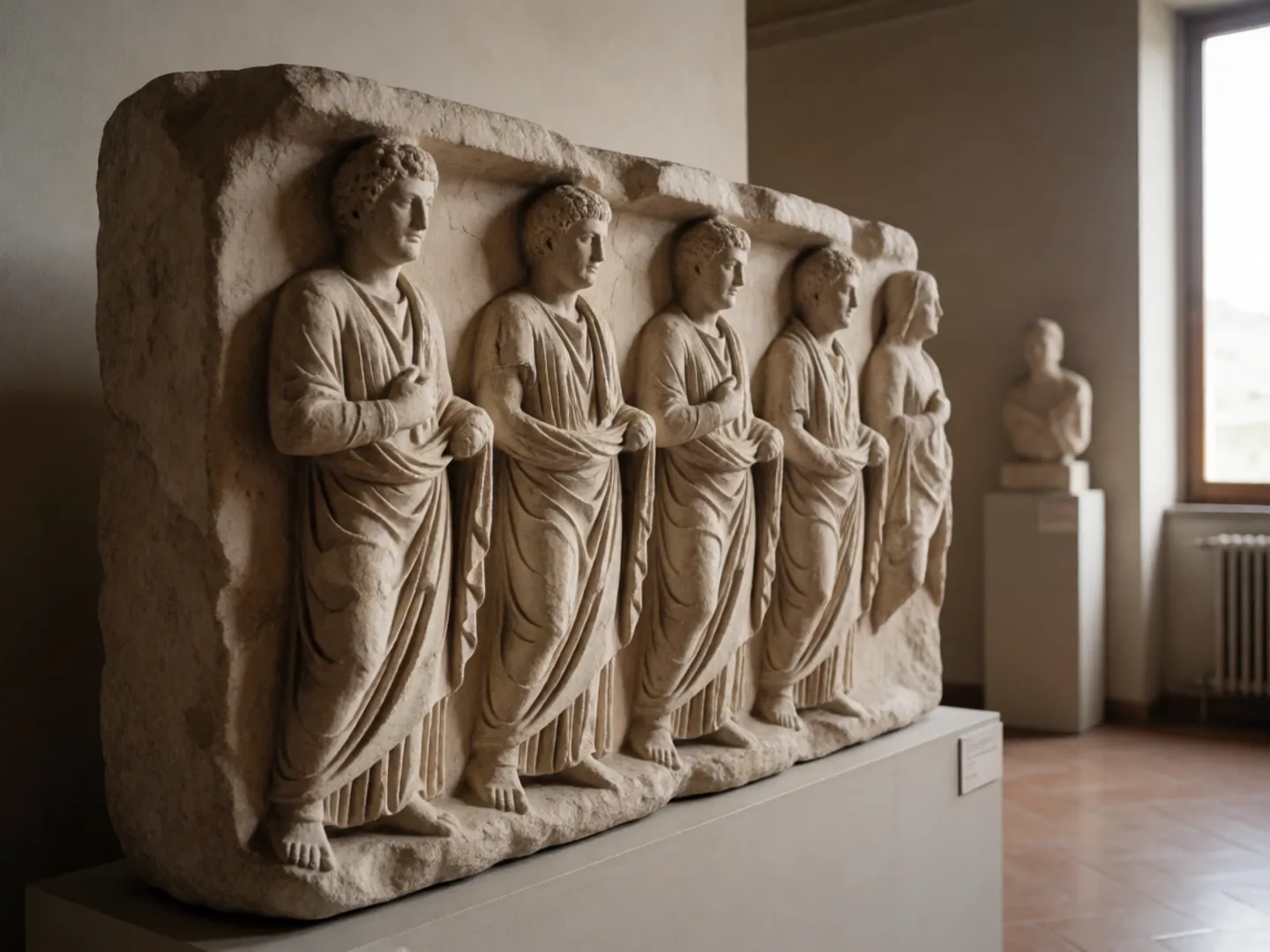
The same gods turn up in English place names. Wednesbury in Staffordshire, first written as Wodensbyri in 1004, is usually explained as "Woden's borough".
Other places often linked with Woden include Wednesfield in Staffordshire and Woodnesborough in Kent, though historians caution that a name alone does not prove a temple stood there.
Questions
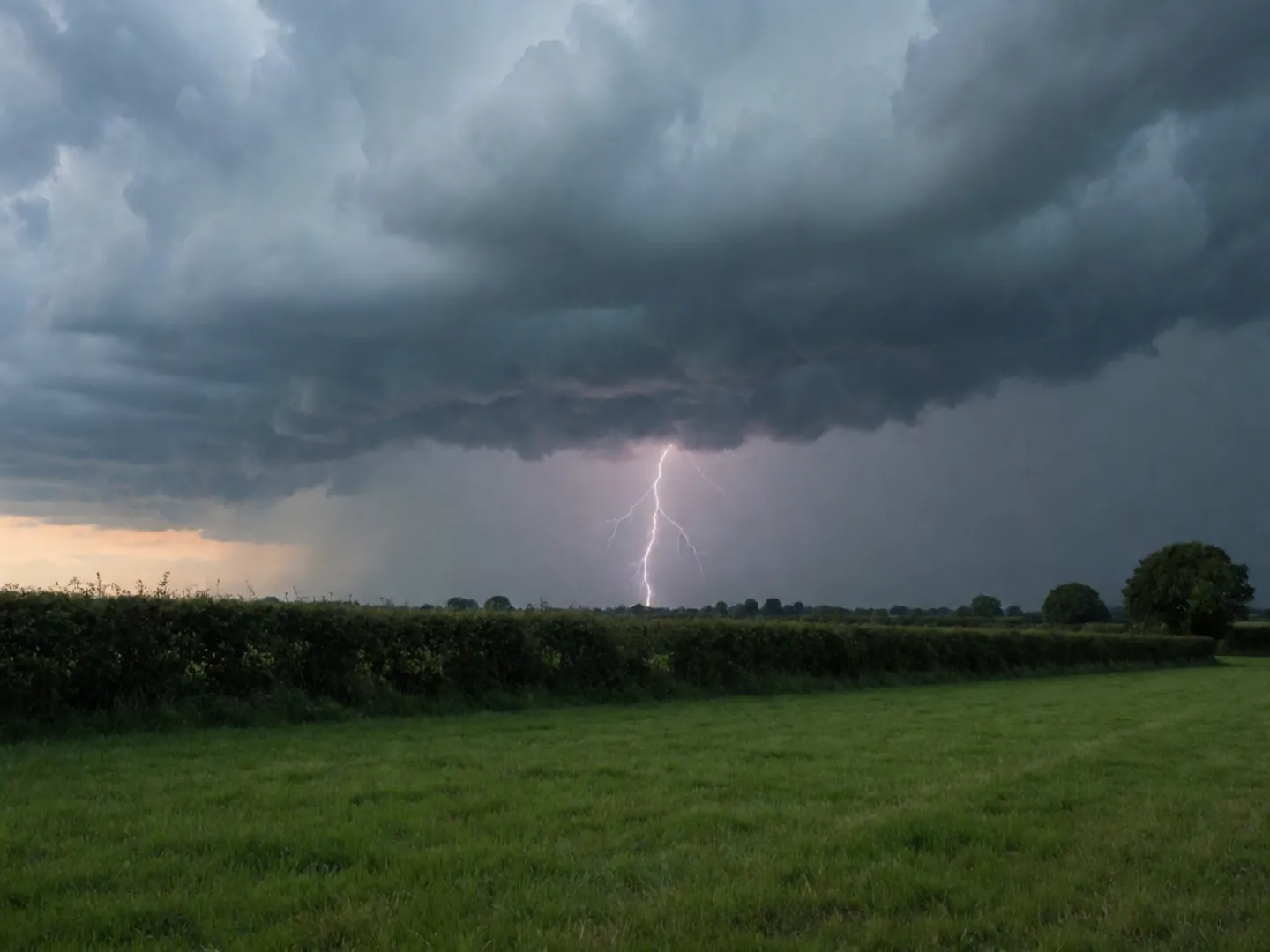
It comes from Old English Þūnresdæg, Thunor's day, the day of thunder. It sits beside the Latin dies Iovis, Jupiter's day; both gods were linked with thunder.
Indirectly. Thunor was the Old English god, and Thor is the Norse form. Vikings who arrived in the ninth century brought similar gods, and the two names may have been seen as alike.
French and other Romance languages kept the Latin planet names: lundi, mardi, mercredi, jeudi and vendredi hide Luna, Mars, Mercury, Jupiter and Venus.
Ancient writers explained it with planetary hours: seven planets in turn ruled the 24 hours of each day, and the planet of each day's first hour gave the day its name.
Gradually, between the first and third centuries CE, replacing an eight-day market cycle. A Pompeii graffito from 60 CE is the earliest evidence.
ABOUT THIS NAME
doodlegods.com is part of the DoodleSale portfolio. It isn't in an auction right now, but you can ask about leasing it.